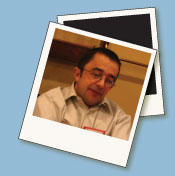
Steven Estey
Steven is Chair of the International Committee of the Council of Canadians with Disabilities, as well as North American Representative on the World Council of Disabled Peoples’ International. Steven joined the CCD’s International Committee more than 10 years ago, and in that time has developed extensive experience in the area of international development, human rights and disability. He has worked with NGOs, governments and multilateral agencies around the world for over a decade to advance the human rights and economic situation of people with disabilities. He has testified before several parliamentary committees and spoken at the United Nations, where he has most recently been a member of Canada’s delegation to the ongoing negotiations on a new human rights treaty for disabled people. Steven has written and spoken widely on the emergence of disability as a Human Rights issue.
Steven has an undergraduate degree in Philosophy from St. Francis Xavier University and a Masters in International Development Studies from St. Mary’s University. During his MA studies, he was president of NEADS.
Remarks
Steven Estey, a former president of the NEADS board of directors (1990–1992), remarked that NEADS is one of the most exciting disability organizations with which he has been involved, because “people here are all about leadership, excelling, and doing their best.” As participants in higher education, NEADS members have already met many challenges in life. “We have reason to be proud of ourselves as people with disabilities, because of what we have achieved,” he said.
Remarking that he had bumped into a colleague from Tanzania on his way to the conference, Estey reflected on what it means to be a leader in the disability community, first asking “What is the disability community?” In answer, he shared his views on the potential role for leaders in the community, and on changes taking place in the disability world. Although access to post-secondary education is important for students with disabilities, he said that they “should not lose sight of the fact that people with disabilities are 650 million human beings around the world”—400 million of whom live in situations of abject poverty. The World Health Organization estimates that only 2% to 3% of people with disabilities in Africa have access to any kind of education at all. When the disability community is understood in this broad context, it becomes clear that NEADS members are a group of people that can lead.
With the development of the new United Nations Convention on the human rights and dignity of people with disabilities, changes are underway concerning how disability is conceptualized. This shift is part of an evolution from the medical model of understanding disability to the social model, and now to an understanding of disability issues as human rights issues. As disability issues are reconceptualized as human rights issues, said Estey, “people with disabilities [are empowered] to reach out to other equity-seeking groups”—to build partnerships and coalitions for change.
The challenge for all NEADS members and alumni is to bear in mind the 650 million people with disabilities around the world. “[Given that] we have had the benefit of access to education, we have some responsibility to that group,” Estey concluded.